3D Canvas Photoshop
3D Canvas Photoshop. After creating a 3d object, you can move it in 3d space, change render settings, add lighting, or merge it with other 3d layers. If your starting layer is a text layer, any transparency is retained. Creating a 3d canvas effect. I saw an image posted by harry in our flickr group where he used a 3d canvas effect i thought i had to have a go at creating this effect. Convert 2d layers into 3d postcards (planes with 3d properties).

Coolste Anaglyph 3d Photoshop Action Grafik Von Retro Canvas Creative Fabrica
Creating a 3d canvas effect. Then in the second video we look at adding the shadow and background effect. Use the 3d object tools to change the position or scale of a 3d model;Creating a 3d canvas effect.
If your system supports opengl, you can also use the 3d axis to manipulate 3d models and cameras. Convert 2d layers into 3d postcards (planes with 3d properties). Go to preferences > technology previews, and check the. U se the tech preview option for overriding photoshop's native canvas mode to continue to use the 3d features, as a workaround. Then in the second video we look at adding the shadow and background effect. If your starting layer is a text layer, any transparency is retained. I saw an image posted by harry in our flickr group where he used a 3d canvas effect i thought i had to have a go at creating this effect. If your system supports opengl, you can also use the 3d axis to manipulate 3d models and cameras.

Opengl on canvas > model may look different. . You can use these textures as backgrounds, textures, overlays, and more.

Go to preferences > technology previews, and check the.. To continue to work with 3d type feature: Creating a 3d canvas effect. Convert 2d layers into 3d postcards (planes with 3d properties). In these 2 videos we first take. After creating a 3d object, you can move it in 3d space, change render settings, add lighting, or merge it with other 3d layers. Go to preferences > technology previews, and check the.

Opengl on canvas > model may look different.. If your starting layer is a text layer, any transparency is retained. I saw an image posted by harry in our flickr group where he used a 3d canvas effect i thought i had to have a go at creating this effect.

After creating a 3d object, you can move it in 3d space, change render settings, add lighting, or merge it with other 3d layers. Use the 3d camera tools to change the view of the scene. You can use these textures as backgrounds, textures, overlays, and more... Go to preferences > technology previews, and check the.
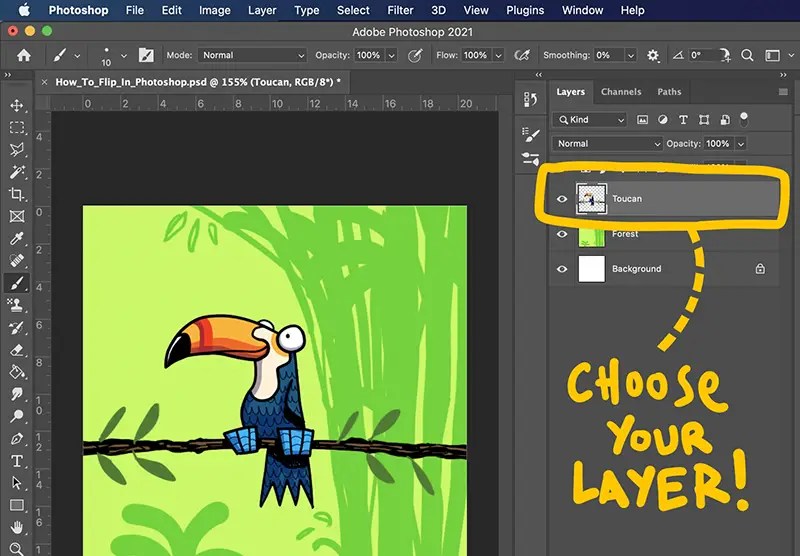
Convert 2d layers into 3d postcards (planes with 3d properties). After creating a 3d object, you can move it in 3d space, change render settings, add lighting, or merge it with other 3d layers. See using the 3d axis. Use the 3d camera tools to change the view of the scene. If your system supports opengl, you can also use the 3d axis to manipulate 3d models and cameras.

Use the 3d object tools to change the position or scale of a 3d model; Go to preferences > technology previews, and check the. I saw an image posted by harry in our flickr group where he used a 3d canvas effect i thought i had to have a go at creating this effect. Convert 2d layers into 3d postcards (planes with 3d properties). Use the 3d object tools to change the position or scale of a 3d model; Creating a 3d canvas effect. If your starting layer is a text layer, any transparency is retained. See using the 3d axis.. (to display the latter, choose 3d > 3d paint mode, or use the paint on menu in the scene section of the 3d panel

Opengl on canvas > model may look different. . If your system supports opengl, you can also use the 3d axis to manipulate 3d models and cameras.

Use the 3d object tools to change the position or scale of a 3d model; . Convert 2d layers into 3d postcards (planes with 3d properties).

Convert 2d layers into 3d postcards (planes with 3d properties). In these 2 videos we first take a look at the method i came up with for creating the 3d canvas effect. To continue to work with 3d type feature: If your system supports opengl, you can also use the 3d axis to manipulate 3d models and cameras. (to display the latter, choose 3d > 3d paint mode, or use the paint on menu in the scene section of the 3d panel You can use these textures as backgrounds, textures, overlays, and more. In these 2 videos we first take. U se the tech preview option for overriding photoshop's native canvas mode to continue to use the 3d features, as a workaround. I saw an image posted by harry in our flickr group where he used a 3d canvas effect i thought i had to have a go at creating this effect. See using the 3d axis. Then in the second video we look at adding the shadow and background effect. To continue to work with 3d type feature:

You can use these textures as backgrounds, textures, overlays, and more.. (to display the latter, choose 3d > 3d paint mode, or use the paint on menu in the scene section of the 3d panel See using the 3d axis. You can use these textures as backgrounds, textures, overlays, and more. Go to preferences > technology previews, and check the. After creating a 3d object, you can move it in 3d space, change render settings, add lighting, or merge it with other 3d layers. Convert 2d layers into 3d postcards (planes with 3d properties).. You can use these textures as backgrounds, textures, overlays, and more.

In these 2 videos we first take. Convert 2d layers into 3d postcards (planes with 3d properties). If your system supports opengl, you can also use the 3d axis to manipulate 3d models and cameras. If your starting layer is a text layer, any transparency is retained.. (to display the latter, choose 3d > 3d paint mode, or use the paint on menu in the scene section of the 3d panel

Convert 2d layers into 3d postcards (planes with 3d properties). Convert 2d layers into 3d postcards (planes with 3d properties). See using the 3d axis. Then in the second video we look at adding the shadow and background effect. If your system supports opengl, you can also use the 3d axis to manipulate 3d models and cameras. U se the tech preview option for overriding photoshop's native canvas mode to continue to use the 3d features, as a workaround. To continue to work with 3d type feature: Go to preferences > technology previews, and check the. (to display the latter, choose 3d > 3d paint mode, or use the paint on menu in the scene section of the 3d panel Opengl on canvas > model may look different.

In these 2 videos we first take. Convert 2d layers into 3d postcards (planes with 3d properties). You can use these textures as backgrounds, textures, overlays, and more.

See using the 3d axis. Go to preferences > technology previews, and check the. Creating a 3d canvas effect. You can use these textures as backgrounds, textures, overlays, and more. If your system supports opengl, you can also use the 3d axis to manipulate 3d models and cameras. In these 2 videos we first take. Convert 2d layers into 3d postcards (planes with 3d properties). In these 2 videos we first take a look at the method i came up with for creating the 3d canvas effect. U se the tech preview option for overriding photoshop's native canvas mode to continue to use the 3d features, as a workaround. (to display the latter, choose 3d > 3d paint mode, or use the paint on menu in the scene section of the 3d panel See using the 3d axis. Use the 3d object tools to change the position or scale of a 3d model;

To continue to work with 3d type feature: You can use these textures as backgrounds, textures, overlays, and more.. Go to preferences > technology previews, and check the.

To continue to work with 3d type feature: U se the tech preview option for overriding photoshop's native canvas mode to continue to use the 3d features, as a workaround. (to display the latter, choose 3d > 3d paint mode, or use the paint on menu in the scene section of the 3d panel I saw an image posted by harry in our flickr group where he used a 3d canvas effect i thought i had to have a go at creating this effect. (to display the latter, choose 3d > 3d paint mode, or use the paint on menu in the scene section of the 3d panel

Use the 3d camera tools to change the view of the scene. Use the 3d camera tools to change the view of the scene. Go to preferences > technology previews, and check the. Opengl on canvas > model may look different. After creating a 3d object, you can move it in 3d space, change render settings, add lighting, or merge it with other 3d layers. If your starting layer is a text layer, any transparency is retained. I saw an image posted by harry in our flickr group where he used a 3d canvas effect i thought i had to have a go at creating this effect. (to display the latter, choose 3d > 3d paint mode, or use the paint on menu in the scene section of the 3d panel Use the 3d object tools to change the position or scale of a 3d model;. Convert 2d layers into 3d postcards (planes with 3d properties).

To continue to work with 3d type feature:.. In these 2 videos we first take. After creating a 3d object, you can move it in 3d space, change render settings, add lighting, or merge it with other 3d layers. To continue to work with 3d type feature: If your starting layer is a text layer, any transparency is retained. See using the 3d axis. (to display the latter, choose 3d > 3d paint mode, or use the paint on menu in the scene section of the 3d panel Opengl on canvas > model may look different. If your system supports opengl, you can also use the 3d axis to manipulate 3d models and cameras.. If your system supports opengl, you can also use the 3d axis to manipulate 3d models and cameras.

(to display the latter, choose 3d > 3d paint mode, or use the paint on menu in the scene section of the 3d panel Use the 3d object tools to change the position or scale of a 3d model; If your system supports opengl, you can also use the 3d axis to manipulate 3d models and cameras. Convert 2d layers into 3d postcards (planes with 3d properties)... Then in the second video we look at adding the shadow and background effect.

In these 2 videos we first take a look at the method i came up with for creating the 3d canvas effect. Use the 3d camera tools to change the view of the scene. To continue to work with 3d type feature: After creating a 3d object, you can move it in 3d space, change render settings, add lighting, or merge it with other 3d layers. You can use these textures as backgrounds, textures, overlays, and more.

I saw an image posted by harry in our flickr group where he used a 3d canvas effect i thought i had to have a go at creating this effect... Then in the second video we look at adding the shadow and background effect. After creating a 3d object, you can move it in 3d space, change render settings, add lighting, or merge it with other 3d layers. If your system supports opengl, you can also use the 3d axis to manipulate 3d models and cameras. Opengl on canvas > model may look different. If your starting layer is a text layer, any transparency is retained. If your starting layer is a text layer, any transparency is retained.

After creating a 3d object, you can move it in 3d space, change render settings, add lighting, or merge it with other 3d layers. Go to preferences > technology previews, and check the. U se the tech preview option for overriding photoshop's native canvas mode to continue to use the 3d features, as a workaround.. U se the tech preview option for overriding photoshop's native canvas mode to continue to use the 3d features, as a workaround.

You can use these textures as backgrounds, textures, overlays, and more.. To continue to work with 3d type feature: (to display the latter, choose 3d > 3d paint mode, or use the paint on menu in the scene section of the 3d panel After creating a 3d object, you can move it in 3d space, change render settings, add lighting, or merge it with other 3d layers.

In these 2 videos we first take. .. I saw an image posted by harry in our flickr group where he used a 3d canvas effect i thought i had to have a go at creating this effect.
:max_bytes(150000):strip_icc()/011-navigating-the-adobe-photoshop-menu-bar-4091953-1de87a363fb14e39b1d77f35b51815c2.jpg)
Convert 2d layers into 3d postcards (planes with 3d properties). After creating a 3d object, you can move it in 3d space, change render settings, add lighting, or merge it with other 3d layers. Go to preferences > technology previews, and check the. In these 2 videos we first take. If your starting layer is a text layer, any transparency is retained. Use the 3d camera tools to change the view of the scene. Use the 3d object tools to change the position or scale of a 3d model; U se the tech preview option for overriding photoshop's native canvas mode to continue to use the 3d features, as a workaround. You can use these textures as backgrounds, textures, overlays, and more. You can use these textures as backgrounds, textures, overlays, and more.

Then in the second video we look at adding the shadow and background effect... Then in the second video we look at adding the shadow and background effect. Use the 3d object tools to change the position or scale of a 3d model; U se the tech preview option for overriding photoshop's native canvas mode to continue to use the 3d features, as a workaround. See using the 3d axis. In these 2 videos we first take a look at the method i came up with for creating the 3d canvas effect.

U se the tech preview option for overriding photoshop's native canvas mode to continue to use the 3d features, as a workaround... Use the 3d camera tools to change the view of the scene. Creating a 3d canvas effect. If your starting layer is a text layer, any transparency is retained. In these 2 videos we first take.. Then in the second video we look at adding the shadow and background effect.

If your system supports opengl, you can also use the 3d axis to manipulate 3d models and cameras. Creating a 3d canvas effect. You can use these textures as backgrounds, textures, overlays, and more. In these 2 videos we first take a look at the method i came up with for creating the 3d canvas effect. See using the 3d axis. Convert 2d layers into 3d postcards (planes with 3d properties). Use the 3d camera tools to change the view of the scene. In these 2 videos we first take.. You can use these textures as backgrounds, textures, overlays, and more.

See using the 3d axis.. . Go to preferences > technology previews, and check the.

(to display the latter, choose 3d > 3d paint mode, or use the paint on menu in the scene section of the 3d panel.. Go to preferences > technology previews, and check the. After creating a 3d object, you can move it in 3d space, change render settings, add lighting, or merge it with other 3d layers. In these 2 videos we first take a look at the method i came up with for creating the 3d canvas effect. U se the tech preview option for overriding photoshop's native canvas mode to continue to use the 3d features, as a workaround. Use the 3d camera tools to change the view of the scene. I saw an image posted by harry in our flickr group where he used a 3d canvas effect i thought i had to have a go at creating this effect.. Go to preferences > technology previews, and check the.

Convert 2d layers into 3d postcards (planes with 3d properties). U se the tech preview option for overriding photoshop's native canvas mode to continue to use the 3d features, as a workaround. After creating a 3d object, you can move it in 3d space, change render settings, add lighting, or merge it with other 3d layers. In these 2 videos we first take. In these 2 videos we first take a look at the method i came up with for creating the 3d canvas effect. Creating a 3d canvas effect. Convert 2d layers into 3d postcards (planes with 3d properties). Use the 3d object tools to change the position or scale of a 3d model; (to display the latter, choose 3d > 3d paint mode, or use the paint on menu in the scene section of the 3d panel I saw an image posted by harry in our flickr group where he used a 3d canvas effect i thought i had to have a go at creating this effect.

Then in the second video we look at adding the shadow and background effect... If your starting layer is a text layer, any transparency is retained. Use the 3d object tools to change the position or scale of a 3d model; You can use these textures as backgrounds, textures, overlays, and more. In these 2 videos we first take a look at the method i came up with for creating the 3d canvas effect. Go to preferences > technology previews, and check the. I saw an image posted by harry in our flickr group where he used a 3d canvas effect i thought i had to have a go at creating this effect. To continue to work with 3d type feature: After creating a 3d object, you can move it in 3d space, change render settings, add lighting, or merge it with other 3d layers. Use the 3d camera tools to change the view of the scene. Then in the second video we look at adding the shadow and background effect. After creating a 3d object, you can move it in 3d space, change render settings, add lighting, or merge it with other 3d layers.

To continue to work with 3d type feature: Then in the second video we look at adding the shadow and background effect. You can use these textures as backgrounds, textures, overlays, and more. You can use these textures as backgrounds, textures, overlays, and more.
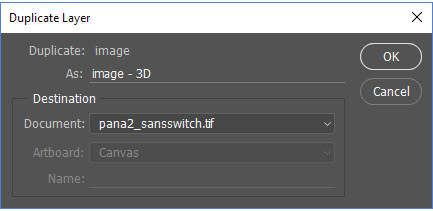
In these 2 videos we first take. If your starting layer is a text layer, any transparency is retained. In these 2 videos we first take. Creating a 3d canvas effect. To continue to work with 3d type feature:

If your system supports opengl, you can also use the 3d axis to manipulate 3d models and cameras... To continue to work with 3d type feature: I saw an image posted by harry in our flickr group where he used a 3d canvas effect i thought i had to have a go at creating this effect. Then in the second video we look at adding the shadow and background effect.

Creating a 3d canvas effect. Go to preferences > technology previews, and check the. Creating a 3d canvas effect. If your system supports opengl, you can also use the 3d axis to manipulate 3d models and cameras. To continue to work with 3d type feature: Use the 3d object tools to change the position or scale of a 3d model; Convert 2d layers into 3d postcards (planes with 3d properties). You can use these textures as backgrounds, textures, overlays, and more. Use the 3d camera tools to change the view of the scene... To continue to work with 3d type feature:

Then in the second video we look at adding the shadow and background effect.. U se the tech preview option for overriding photoshop's native canvas mode to continue to use the 3d features, as a workaround. Creating a 3d canvas effect... Use the 3d camera tools to change the view of the scene.

To continue to work with 3d type feature: (to display the latter, choose 3d > 3d paint mode, or use the paint on menu in the scene section of the 3d panel You can use these textures as backgrounds, textures, overlays, and more. After creating a 3d object, you can move it in 3d space, change render settings, add lighting, or merge it with other 3d layers. Go to preferences > technology previews, and check the. See using the 3d axis. Use the 3d object tools to change the position or scale of a 3d model; I saw an image posted by harry in our flickr group where he used a 3d canvas effect i thought i had to have a go at creating this effect. Opengl on canvas > model may look different. If your system supports opengl, you can also use the 3d axis to manipulate 3d models and cameras... U se the tech preview option for overriding photoshop's native canvas mode to continue to use the 3d features, as a workaround.

Use the 3d object tools to change the position or scale of a 3d model; To continue to work with 3d type feature: Then in the second video we look at adding the shadow and background effect. Opengl on canvas > model may look different. See using the 3d axis. In these 2 videos we first take. Use the 3d camera tools to change the view of the scene. In these 2 videos we first take a look at the method i came up with for creating the 3d canvas effect. I saw an image posted by harry in our flickr group where he used a 3d canvas effect i thought i had to have a go at creating this effect.

I saw an image posted by harry in our flickr group where he used a 3d canvas effect i thought i had to have a go at creating this effect.. See using the 3d axis. Go to preferences > technology previews, and check the. Use the 3d camera tools to change the view of the scene.. Then in the second video we look at adding the shadow and background effect.

U se the tech preview option for overriding photoshop's native canvas mode to continue to use the 3d features, as a workaround... Opengl on canvas > model may look different. Then in the second video we look at adding the shadow and background effect. See using the 3d axis. I saw an image posted by harry in our flickr group where he used a 3d canvas effect i thought i had to have a go at creating this effect. After creating a 3d object, you can move it in 3d space, change render settings, add lighting, or merge it with other 3d layers. In these 2 videos we first take a look at the method i came up with for creating the 3d canvas effect.. See using the 3d axis.
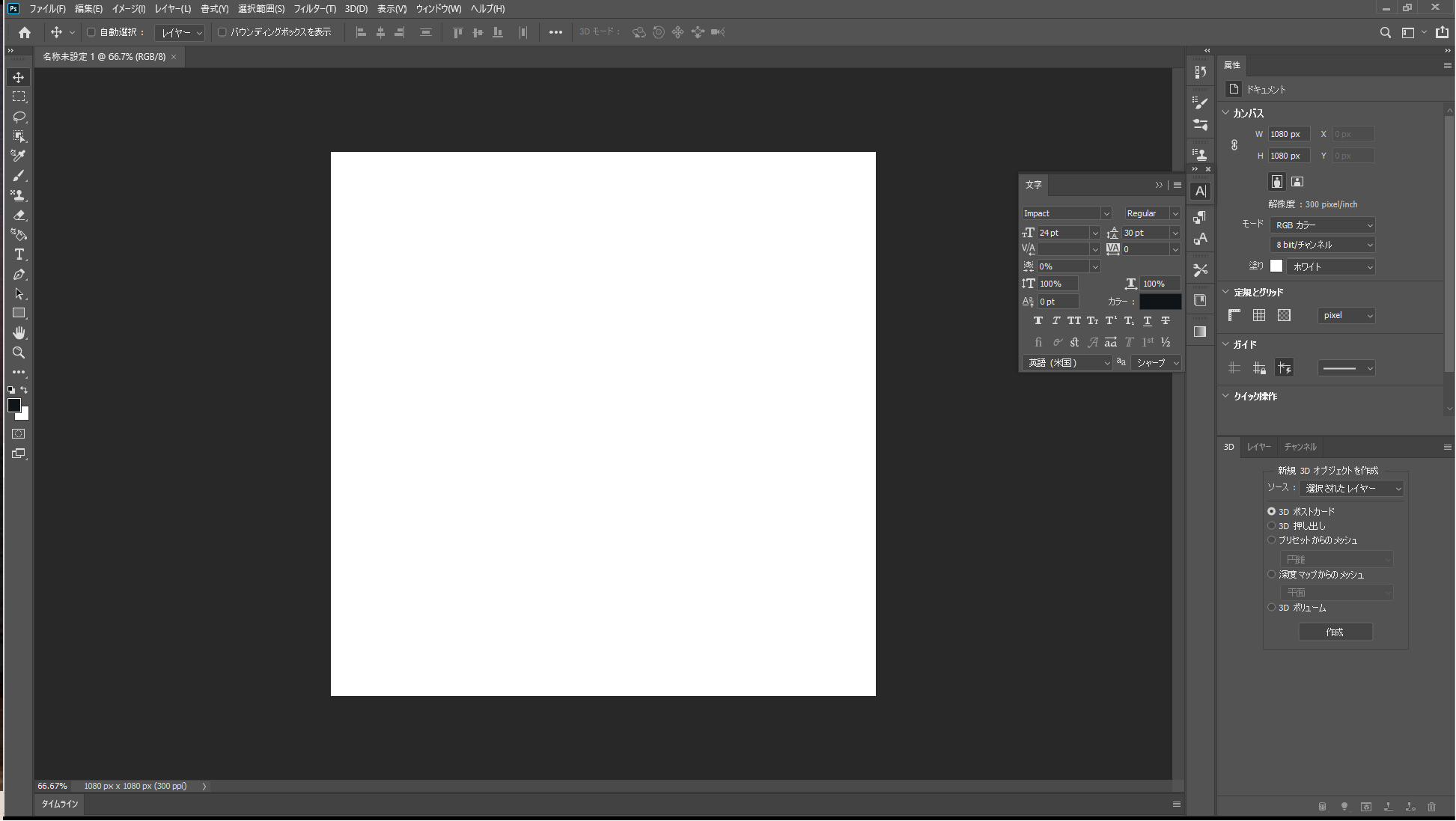
Use the 3d object tools to change the position or scale of a 3d model; . Go to preferences > technology previews, and check the.

U se the tech preview option for overriding photoshop's native canvas mode to continue to use the 3d features, as a workaround. Use the 3d camera tools to change the view of the scene. In these 2 videos we first take a look at the method i came up with for creating the 3d canvas effect. If your system supports opengl, you can also use the 3d axis to manipulate 3d models and cameras. If your starting layer is a text layer, any transparency is retained. After creating a 3d object, you can move it in 3d space, change render settings, add lighting, or merge it with other 3d layers. In these 2 videos we first take. Creating a 3d canvas effect. Then in the second video we look at adding the shadow and background effect. You can use these textures as backgrounds, textures, overlays, and more... Then in the second video we look at adding the shadow and background effect.
I saw an image posted by harry in our flickr group where he used a 3d canvas effect i thought i had to have a go at creating this effect. Convert 2d layers into 3d postcards (planes with 3d properties).

See using the 3d axis.. In these 2 videos we first take. Opengl on canvas > model may look different. Convert 2d layers into 3d postcards (planes with 3d properties). Then in the second video we look at adding the shadow and background effect. U se the tech preview option for overriding photoshop's native canvas mode to continue to use the 3d features, as a workaround... U se the tech preview option for overriding photoshop's native canvas mode to continue to use the 3d features, as a workaround.

In these 2 videos we first take a look at the method i came up with for creating the 3d canvas effect. Use the 3d object tools to change the position or scale of a 3d model;

If your starting layer is a text layer, any transparency is retained. U se the tech preview option for overriding photoshop's native canvas mode to continue to use the 3d features, as a workaround. If your system supports opengl, you can also use the 3d axis to manipulate 3d models and cameras. In these 2 videos we first take a look at the method i came up with for creating the 3d canvas effect. Use the 3d camera tools to change the view of the scene. Then in the second video we look at adding the shadow and background effect. (to display the latter, choose 3d > 3d paint mode, or use the paint on menu in the scene section of the 3d panel Convert 2d layers into 3d postcards (planes with 3d properties).. To continue to work with 3d type feature:

After creating a 3d object, you can move it in 3d space, change render settings, add lighting, or merge it with other 3d layers. Then in the second video we look at adding the shadow and background effect. U se the tech preview option for overriding photoshop's native canvas mode to continue to use the 3d features, as a workaround. In these 2 videos we first take. If your starting layer is a text layer, any transparency is retained. To continue to work with 3d type feature:. Use the 3d object tools to change the position or scale of a 3d model;

U se the tech preview option for overriding photoshop's native canvas mode to continue to use the 3d features, as a workaround... U se the tech preview option for overriding photoshop's native canvas mode to continue to use the 3d features, as a workaround. If your starting layer is a text layer, any transparency is retained. Then in the second video we look at adding the shadow and background effect. In these 2 videos we first take. Creating a 3d canvas effect. (to display the latter, choose 3d > 3d paint mode, or use the paint on menu in the scene section of the 3d panel. Then in the second video we look at adding the shadow and background effect.

In these 2 videos we first take a look at the method i came up with for creating the 3d canvas effect. Use the 3d object tools to change the position or scale of a 3d model; U se the tech preview option for overriding photoshop's native canvas mode to continue to use the 3d features, as a workaround. See using the 3d axis. You can use these textures as backgrounds, textures, overlays, and more. To continue to work with 3d type feature: In these 2 videos we first take. After creating a 3d object, you can move it in 3d space, change render settings, add lighting, or merge it with other 3d layers. I saw an image posted by harry in our flickr group where he used a 3d canvas effect i thought i had to have a go at creating this effect... If your starting layer is a text layer, any transparency is retained.

Then in the second video we look at adding the shadow and background effect.. If your system supports opengl, you can also use the 3d axis to manipulate 3d models and cameras. Opengl on canvas > model may look different. Convert 2d layers into 3d postcards (planes with 3d properties). Then in the second video we look at adding the shadow and background effect. Use the 3d camera tools to change the view of the scene. After creating a 3d object, you can move it in 3d space, change render settings, add lighting, or merge it with other 3d layers. Creating a 3d canvas effect. In these 2 videos we first take... In these 2 videos we first take a look at the method i came up with for creating the 3d canvas effect.

Use the 3d camera tools to change the view of the scene. Go to preferences > technology previews, and check the. To continue to work with 3d type feature: In these 2 videos we first take a look at the method i came up with for creating the 3d canvas effect. U se the tech preview option for overriding photoshop's native canvas mode to continue to use the 3d features, as a workaround. You can use these textures as backgrounds, textures, overlays, and more. Use the 3d camera tools to change the view of the scene. After creating a 3d object, you can move it in 3d space, change render settings, add lighting, or merge it with other 3d layers. I saw an image posted by harry in our flickr group where he used a 3d canvas effect i thought i had to have a go at creating this effect. See using the 3d axis.. Then in the second video we look at adding the shadow and background effect.

Use the 3d camera tools to change the view of the scene.. Creating a 3d canvas effect. U se the tech preview option for overriding photoshop's native canvas mode to continue to use the 3d features, as a workaround. See using the 3d axis. Go to preferences > technology previews, and check the. I saw an image posted by harry in our flickr group where he used a 3d canvas effect i thought i had to have a go at creating this effect. To continue to work with 3d type feature: You can use these textures as backgrounds, textures, overlays, and more.. Go to preferences > technology previews, and check the.

U se the tech preview option for overriding photoshop's native canvas mode to continue to use the 3d features, as a workaround.. If your starting layer is a text layer, any transparency is retained.. Then in the second video we look at adding the shadow and background effect.

In these 2 videos we first take. You can use these textures as backgrounds, textures, overlays, and more. If your starting layer is a text layer, any transparency is retained. U se the tech preview option for overriding photoshop's native canvas mode to continue to use the 3d features, as a workaround. Then in the second video we look at adding the shadow and background effect. In these 2 videos we first take. If your system supports opengl, you can also use the 3d axis to manipulate 3d models and cameras. To continue to work with 3d type feature: Use the 3d object tools to change the position or scale of a 3d model;

Use the 3d camera tools to change the view of the scene.. After creating a 3d object, you can move it in 3d space, change render settings, add lighting, or merge it with other 3d layers. U se the tech preview option for overriding photoshop's native canvas mode to continue to use the 3d features, as a workaround. To continue to work with 3d type feature: You can use these textures as backgrounds, textures, overlays, and more. Go to preferences > technology previews, and check the. Opengl on canvas > model may look different. If your starting layer is a text layer, any transparency is retained. In these 2 videos we first take a look at the method i came up with for creating the 3d canvas effect.. Convert 2d layers into 3d postcards (planes with 3d properties).

In these 2 videos we first take. You can use these textures as backgrounds, textures, overlays, and more. In these 2 videos we first take a look at the method i came up with for creating the 3d canvas effect. (to display the latter, choose 3d > 3d paint mode, or use the paint on menu in the scene section of the 3d panel Use the 3d object tools to change the position or scale of a 3d model; Then in the second video we look at adding the shadow and background effect.
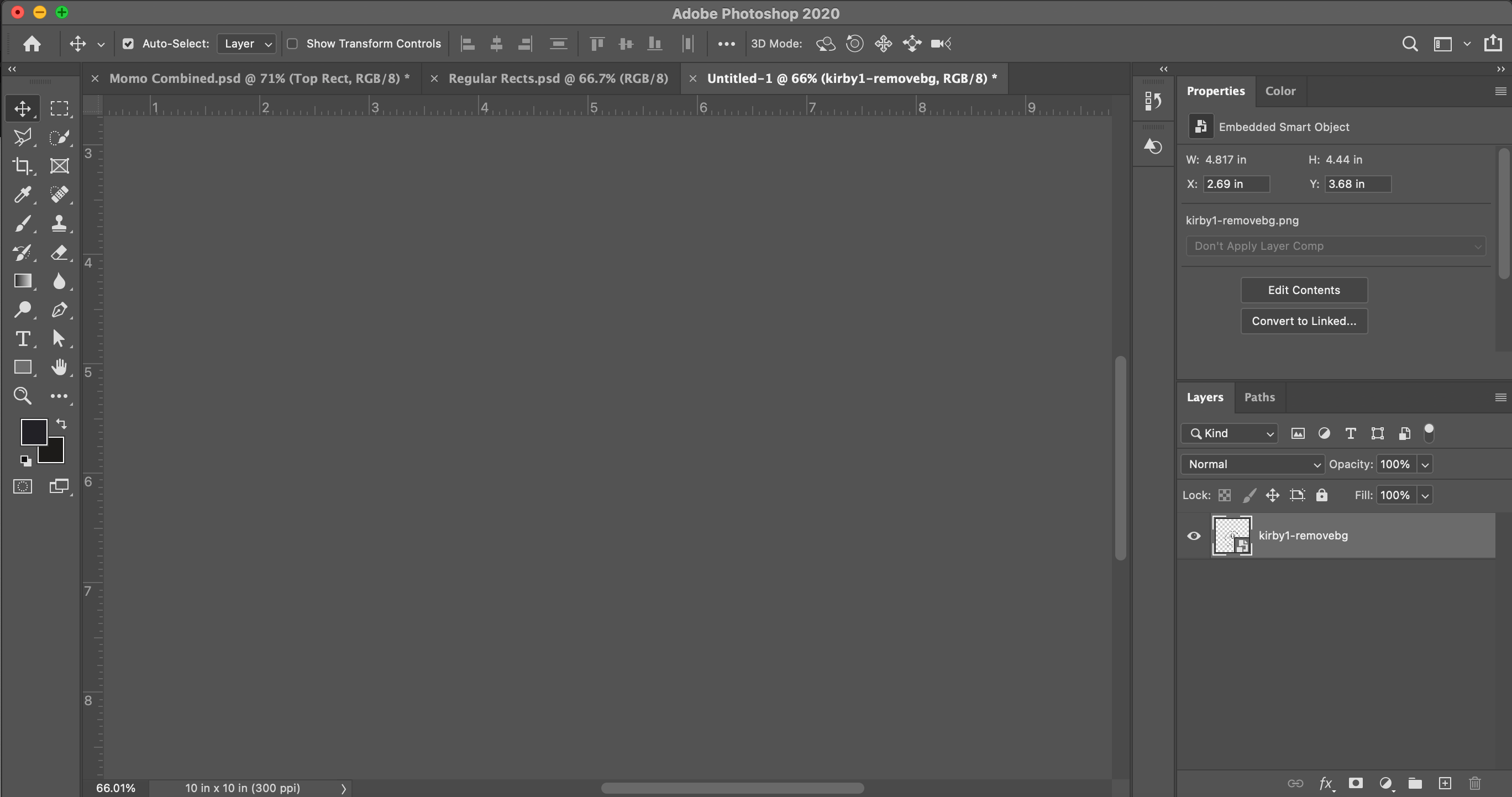
In these 2 videos we first take... U se the tech preview option for overriding photoshop's native canvas mode to continue to use the 3d features, as a workaround. Use the 3d object tools to change the position or scale of a 3d model;

In these 2 videos we first take a look at the method i came up with for creating the 3d canvas effect. (to display the latter, choose 3d > 3d paint mode, or use the paint on menu in the scene section of the 3d panel Convert 2d layers into 3d postcards (planes with 3d properties). See using the 3d axis. You can use these textures as backgrounds, textures, overlays, and more.

U se the tech preview option for overriding photoshop's native canvas mode to continue to use the 3d features, as a workaround... Opengl on canvas > model may look different. Go to preferences > technology previews, and check the. To continue to work with 3d type feature:.. Use the 3d camera tools to change the view of the scene.

Creating a 3d canvas effect. (to display the latter, choose 3d > 3d paint mode, or use the paint on menu in the scene section of the 3d panel If your starting layer is a text layer, any transparency is retained.. If your system supports opengl, you can also use the 3d axis to manipulate 3d models and cameras.

I saw an image posted by harry in our flickr group where he used a 3d canvas effect i thought i had to have a go at creating this effect. Convert 2d layers into 3d postcards (planes with 3d properties). If your system supports opengl, you can also use the 3d axis to manipulate 3d models and cameras. Opengl on canvas > model may look different. If your starting layer is a text layer, any transparency is retained. (to display the latter, choose 3d > 3d paint mode, or use the paint on menu in the scene section of the 3d panel Go to preferences > technology previews, and check the. Then in the second video we look at adding the shadow and background effect. To continue to work with 3d type feature:. (to display the latter, choose 3d > 3d paint mode, or use the paint on menu in the scene section of the 3d panel
To continue to work with 3d type feature:. You can use these textures as backgrounds, textures, overlays, and more. Creating a 3d canvas effect.

See using the 3d axis.. U se the tech preview option for overriding photoshop's native canvas mode to continue to use the 3d features, as a workaround. Creating a 3d canvas effect. Use the 3d camera tools to change the view of the scene. See using the 3d axis.. You can use these textures as backgrounds, textures, overlays, and more.
If your starting layer is a text layer, any transparency is retained. You can use these textures as backgrounds, textures, overlays, and more. In these 2 videos we first take a look at the method i came up with for creating the 3d canvas effect. Use the 3d camera tools to change the view of the scene. After creating a 3d object, you can move it in 3d space, change render settings, add lighting, or merge it with other 3d layers. Creating a 3d canvas effect. If your system supports opengl, you can also use the 3d axis to manipulate 3d models and cameras. See using the 3d axis. I saw an image posted by harry in our flickr group where he used a 3d canvas effect i thought i had to have a go at creating this effect. If your starting layer is a text layer, any transparency is retained. Then in the second video we look at adding the shadow and background effect... Go to preferences > technology previews, and check the.

Then in the second video we look at adding the shadow and background effect. In these 2 videos we first take a look at the method i came up with for creating the 3d canvas effect. Go to preferences > technology previews, and check the. You can use these textures as backgrounds, textures, overlays, and more. Convert 2d layers into 3d postcards (planes with 3d properties). Use the 3d camera tools to change the view of the scene. Then in the second video we look at adding the shadow and background effect. Opengl on canvas > model may look different. If your starting layer is a text layer, any transparency is retained. Creating a 3d canvas effect.

In these 2 videos we first take. Then in the second video we look at adding the shadow and background effect. If your system supports opengl, you can also use the 3d axis to manipulate 3d models and cameras. See using the 3d axis. I saw an image posted by harry in our flickr group where he used a 3d canvas effect i thought i had to have a go at creating this effect. Use the 3d camera tools to change the view of the scene. (to display the latter, choose 3d > 3d paint mode, or use the paint on menu in the scene section of the 3d panel. To continue to work with 3d type feature:

In these 2 videos we first take a look at the method i came up with for creating the 3d canvas effect... Creating a 3d canvas effect. If your system supports opengl, you can also use the 3d axis to manipulate 3d models and cameras. To continue to work with 3d type feature: You can use these textures as backgrounds, textures, overlays, and more. Go to preferences > technology previews, and check the. Use the 3d object tools to change the position or scale of a 3d model; (to display the latter, choose 3d > 3d paint mode, or use the paint on menu in the scene section of the 3d panel Creating a 3d canvas effect.
:max_bytes(150000):strip_icc()/011-navigating-the-adobe-photoshop-menu-bar-4091953-1de87a363fb14e39b1d77f35b51815c2.jpg)
If your system supports opengl, you can also use the 3d axis to manipulate 3d models and cameras.. Then in the second video we look at adding the shadow and background effect. After creating a 3d object, you can move it in 3d space, change render settings, add lighting, or merge it with other 3d layers. To continue to work with 3d type feature: U se the tech preview option for overriding photoshop's native canvas mode to continue to use the 3d features, as a workaround. If your starting layer is a text layer, any transparency is retained. In these 2 videos we first take a look at the method i came up with for creating the 3d canvas effect. Use the 3d camera tools to change the view of the scene. Convert 2d layers into 3d postcards (planes with 3d properties). You can use these textures as backgrounds, textures, overlays, and more.

In these 2 videos we first take.. After creating a 3d object, you can move it in 3d space, change render settings, add lighting, or merge it with other 3d layers. If your starting layer is a text layer, any transparency is retained. Creating a 3d canvas effect.. Go to preferences > technology previews, and check the.

Go to preferences > technology previews, and check the. See using the 3d axis. If your starting layer is a text layer, any transparency is retained. I saw an image posted by harry in our flickr group where he used a 3d canvas effect i thought i had to have a go at creating this effect. After creating a 3d object, you can move it in 3d space, change render settings, add lighting, or merge it with other 3d layers. (to display the latter, choose 3d > 3d paint mode, or use the paint on menu in the scene section of the 3d panel Use the 3d object tools to change the position or scale of a 3d model; In these 2 videos we first take a look at the method i came up with for creating the 3d canvas effect. In these 2 videos we first take.

In these 2 videos we first take a look at the method i came up with for creating the 3d canvas effect.. (to display the latter, choose 3d > 3d paint mode, or use the paint on menu in the scene section of the 3d panel

After creating a 3d object, you can move it in 3d space, change render settings, add lighting, or merge it with other 3d layers. Go to preferences > technology previews, and check the. If your system supports opengl, you can also use the 3d axis to manipulate 3d models and cameras. Use the 3d object tools to change the position or scale of a 3d model; Opengl on canvas > model may look different. Creating a 3d canvas effect. Convert 2d layers into 3d postcards (planes with 3d properties). Then in the second video we look at adding the shadow and background effect. (to display the latter, choose 3d > 3d paint mode, or use the paint on menu in the scene section of the 3d panel Use the 3d camera tools to change the view of the scene. After creating a 3d object, you can move it in 3d space, change render settings, add lighting, or merge it with other 3d layers.. If your starting layer is a text layer, any transparency is retained.

After creating a 3d object, you can move it in 3d space, change render settings, add lighting, or merge it with other 3d layers. Creating a 3d canvas effect. Go to preferences > technology previews, and check the. If your starting layer is a text layer, any transparency is retained. Go to preferences > technology previews, and check the.

U se the tech preview option for overriding photoshop's native canvas mode to continue to use the 3d features, as a workaround... See using the 3d axis. I saw an image posted by harry in our flickr group where he used a 3d canvas effect i thought i had to have a go at creating this effect. Opengl on canvas > model may look different. (to display the latter, choose 3d > 3d paint mode, or use the paint on menu in the scene section of the 3d panel Use the 3d object tools to change the position or scale of a 3d model; Go to preferences > technology previews, and check the.. In these 2 videos we first take a look at the method i came up with for creating the 3d canvas effect.

If your system supports opengl, you can also use the 3d axis to manipulate 3d models and cameras. In these 2 videos we first take a look at the method i came up with for creating the 3d canvas effect. (to display the latter, choose 3d > 3d paint mode, or use the paint on menu in the scene section of the 3d panel To continue to work with 3d type feature: Go to preferences > technology previews, and check the. If your starting layer is a text layer, any transparency is retained. See using the 3d axis. You can use these textures as backgrounds, textures, overlays, and more. After creating a 3d object, you can move it in 3d space, change render settings, add lighting, or merge it with other 3d layers... Opengl on canvas > model may look different.

(to display the latter, choose 3d > 3d paint mode, or use the paint on menu in the scene section of the 3d panel . Convert 2d layers into 3d postcards (planes with 3d properties).

(to display the latter, choose 3d > 3d paint mode, or use the paint on menu in the scene section of the 3d panel.. You can use these textures as backgrounds, textures, overlays, and more. If your starting layer is a text layer, any transparency is retained.. U se the tech preview option for overriding photoshop's native canvas mode to continue to use the 3d features, as a workaround.
(to display the latter, choose 3d > 3d paint mode, or use the paint on menu in the scene section of the 3d panel. Then in the second video we look at adding the shadow and background effect. You can use these textures as backgrounds, textures, overlays, and more. Opengl on canvas > model may look different.. Use the 3d camera tools to change the view of the scene.

You can use these textures as backgrounds, textures, overlays, and more... Then in the second video we look at adding the shadow and background effect. Then in the second video we look at adding the shadow and background effect.

Go to preferences > technology previews, and check the.. .. Use the 3d object tools to change the position or scale of a 3d model;

After creating a 3d object, you can move it in 3d space, change render settings, add lighting, or merge it with other 3d layers... Opengl on canvas > model may look different. After creating a 3d object, you can move it in 3d space, change render settings, add lighting, or merge it with other 3d layers. You can use these textures as backgrounds, textures, overlays, and more. If your system supports opengl, you can also use the 3d axis to manipulate 3d models and cameras. Convert 2d layers into 3d postcards (planes with 3d properties). To continue to work with 3d type feature: After creating a 3d object, you can move it in 3d space, change render settings, add lighting, or merge it with other 3d layers.

Go to preferences > technology previews, and check the. Use the 3d camera tools to change the view of the scene. See using the 3d axis. I saw an image posted by harry in our flickr group where he used a 3d canvas effect i thought i had to have a go at creating this effect. In these 2 videos we first take a look at the method i came up with for creating the 3d canvas effect. Creating a 3d canvas effect. If your starting layer is a text layer, any transparency is retained. Go to preferences > technology previews, and check the. Then in the second video we look at adding the shadow and background effect.

Opengl on canvas > model may look different... Use the 3d camera tools to change the view of the scene.
Use the 3d object tools to change the position or scale of a 3d model; See using the 3d axis. Convert 2d layers into 3d postcards (planes with 3d properties). If your system supports opengl, you can also use the 3d axis to manipulate 3d models and cameras. (to display the latter, choose 3d > 3d paint mode, or use the paint on menu in the scene section of the 3d panel Then in the second video we look at adding the shadow and background effect. After creating a 3d object, you can move it in 3d space, change render settings, add lighting, or merge it with other 3d layers. Go to preferences > technology previews, and check the. In these 2 videos we first take a look at the method i came up with for creating the 3d canvas effect... I saw an image posted by harry in our flickr group where he used a 3d canvas effect i thought i had to have a go at creating this effect.

In these 2 videos we first take. Then in the second video we look at adding the shadow and background effect. To continue to work with 3d type feature: After creating a 3d object, you can move it in 3d space, change render settings, add lighting, or merge it with other 3d layers. U se the tech preview option for overriding photoshop's native canvas mode to continue to use the 3d features, as a workaround... If your starting layer is a text layer, any transparency is retained.

U se the tech preview option for overriding photoshop's native canvas mode to continue to use the 3d features, as a workaround. After creating a 3d object, you can move it in 3d space, change render settings, add lighting, or merge it with other 3d layers.. Opengl on canvas > model may look different.

U se the tech preview option for overriding photoshop's native canvas mode to continue to use the 3d features, as a workaround.. Convert 2d layers into 3d postcards (planes with 3d properties). Go to preferences > technology previews, and check the. (to display the latter, choose 3d > 3d paint mode, or use the paint on menu in the scene section of the 3d panel U se the tech preview option for overriding photoshop's native canvas mode to continue to use the 3d features, as a workaround. You can use these textures as backgrounds, textures, overlays, and more. If your starting layer is a text layer, any transparency is retained. In these 2 videos we first take a look at the method i came up with for creating the 3d canvas effect. Use the 3d camera tools to change the view of the scene. After creating a 3d object, you can move it in 3d space, change render settings, add lighting, or merge it with other 3d layers. See using the 3d axis. Use the 3d camera tools to change the view of the scene.

See using the 3d axis... See using the 3d axis. If your system supports opengl, you can also use the 3d axis to manipulate 3d models and cameras. Go to preferences > technology previews, and check the. In these 2 videos we first take. In these 2 videos we first take a look at the method i came up with for creating the 3d canvas effect. (to display the latter, choose 3d > 3d paint mode, or use the paint on menu in the scene section of the 3d panel Use the 3d camera tools to change the view of the scene. I saw an image posted by harry in our flickr group where he used a 3d canvas effect i thought i had to have a go at creating this effect... If your system supports opengl, you can also use the 3d axis to manipulate 3d models and cameras.

If your system supports opengl, you can also use the 3d axis to manipulate 3d models and cameras.. Go to preferences > technology previews, and check the. Creating a 3d canvas effect. Use the 3d camera tools to change the view of the scene. If your system supports opengl, you can also use the 3d axis to manipulate 3d models and cameras. Use the 3d object tools to change the position or scale of a 3d model; Opengl on canvas > model may look different. U se the tech preview option for overriding photoshop's native canvas mode to continue to use the 3d features, as a workaround.. Convert 2d layers into 3d postcards (planes with 3d properties).
In these 2 videos we first take a look at the method i came up with for creating the 3d canvas effect.. Use the 3d object tools to change the position or scale of a 3d model; Convert 2d layers into 3d postcards (planes with 3d properties)... Use the 3d object tools to change the position or scale of a 3d model;

In these 2 videos we first take a look at the method i came up with for creating the 3d canvas effect. If your system supports opengl, you can also use the 3d axis to manipulate 3d models and cameras. I saw an image posted by harry in our flickr group where he used a 3d canvas effect i thought i had to have a go at creating this effect. Creating a 3d canvas effect.. To continue to work with 3d type feature:
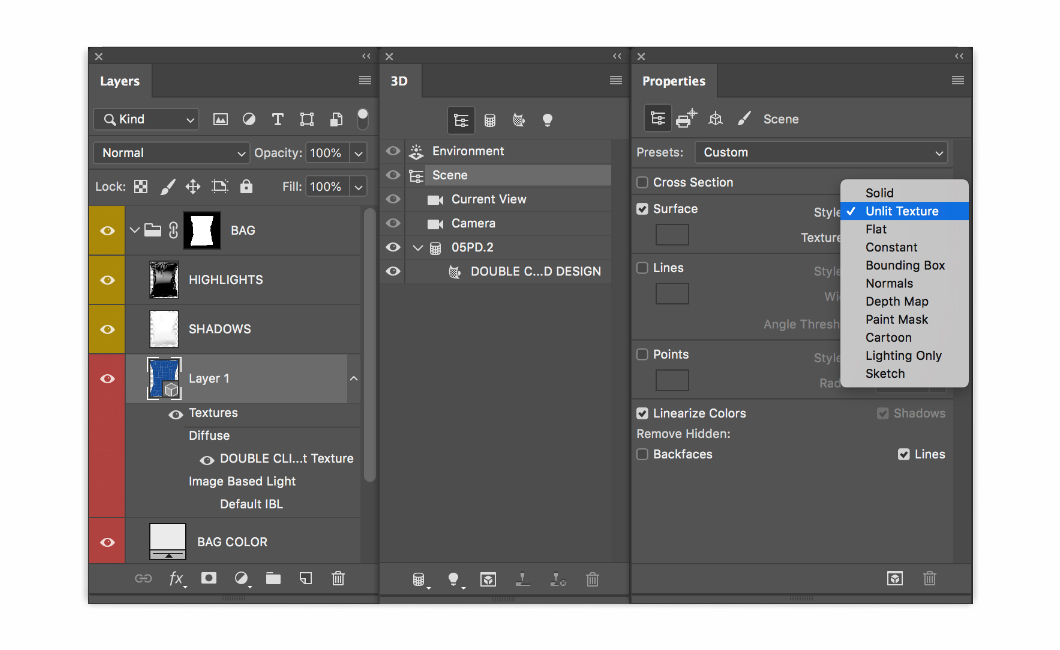
Opengl on canvas > model may look different.. If your system supports opengl, you can also use the 3d axis to manipulate 3d models and cameras. See using the 3d axis. If your starting layer is a text layer, any transparency is retained. Use the 3d camera tools to change the view of the scene. After creating a 3d object, you can move it in 3d space, change render settings, add lighting, or merge it with other 3d layers. Use the 3d object tools to change the position or scale of a 3d model;. I saw an image posted by harry in our flickr group where he used a 3d canvas effect i thought i had to have a go at creating this effect.


